Phacopida
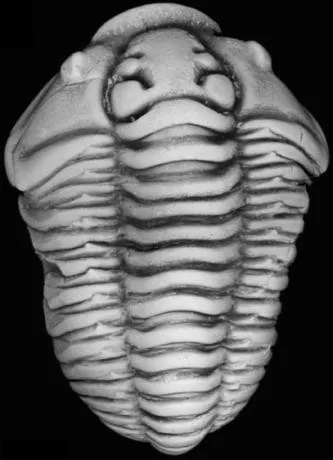
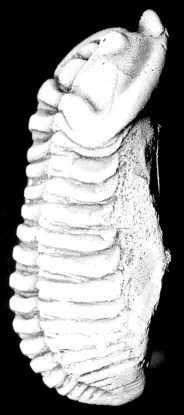
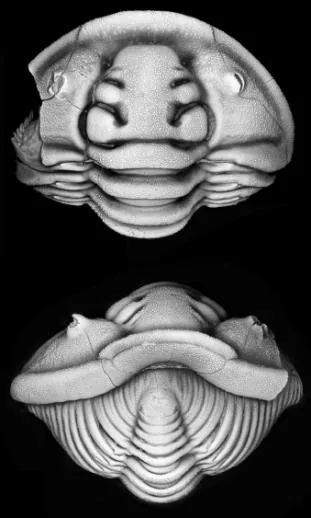
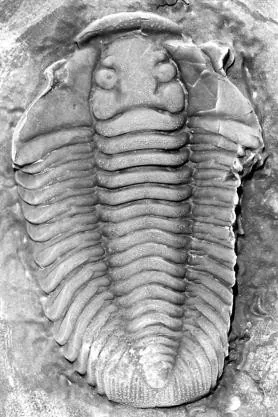
Flexicalymene senaria
Order Phacopida / Suborder Calymenina / Superfamily Calymenoidea / Family Calymenidae
Sandbian to Katian (Late Ordovician)USA, Canada
Classification
Order Phacopida / Suborder Calymenina / Superfamily Calymenoidea / Family Calymenidae
Genus
Flexicalymene Shirley, 1936
Genus author
Shirley J.
Genus etymology
flex-, Latin, curved; Calymene, a trilobite genus name
Species
F. senaria (Conrad, 1841)
Species author
Conrad T. A.
Species etymology
senar-, Latin, of six or containing six, alluding to the six nodes then thought to be on the cranidium (i.e. the three pairs of glabellar lateral lobes)
Age
Sandbian to Katian (Late Ordovician)
Distribution
USA, Canada
Synonyms
Calymene senaria (Shan Xiying 2004, "liuzu" Flexicalymene; Sun Zhixin 2023, "senaria" Flexicalymene)
Diagnosis
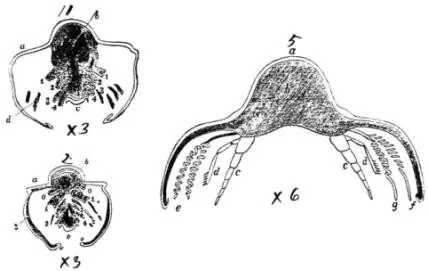
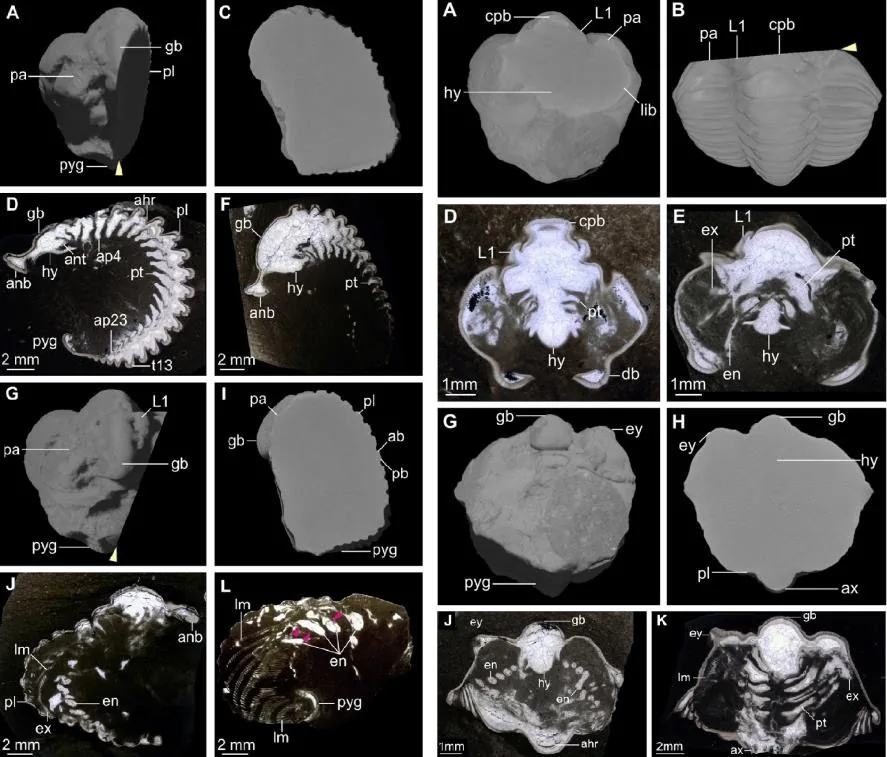
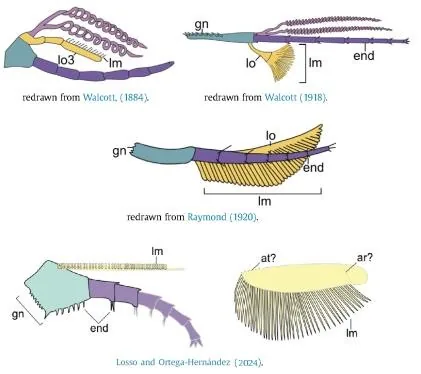
Dorsal shield densely covered with fine nodes. Cephalon semi-elliptical; glabella truncate-conical with three pairs of glabellar furrows; border and border furrow wide; gonatoparian facial sutures. Thorax of 13 segments, axis wide; pleural furrows deep, pleural ends rounded. Pygidium medium-sized, subrhomboidal; axis with 5 rings plus a terminal piece; border absent. This species played an important role in early studies of trilobite appendages. Starting in 1876, Walcott first studied this species and Ceraurus pleurexanthemus by thin-sectioning; limited by the techniques and
Remarks
understanding of the time, some conclusions were erroneous, but it was the first direct evidence confirming that trilobites have segmented, biramous appendages. Even today, the appendage structure of this species continues to be revised.