Asaphida
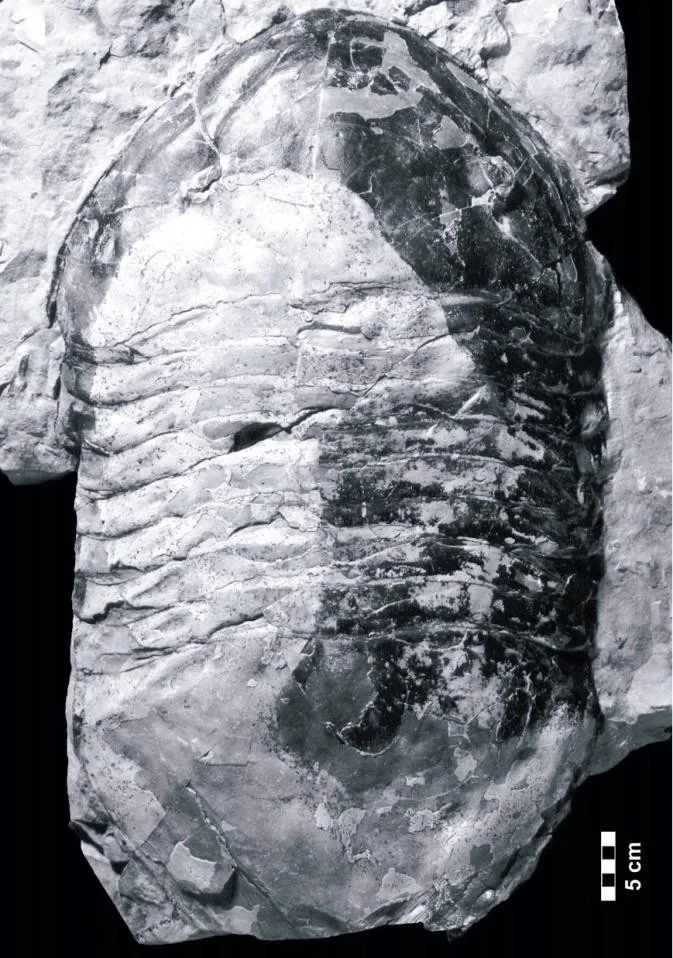
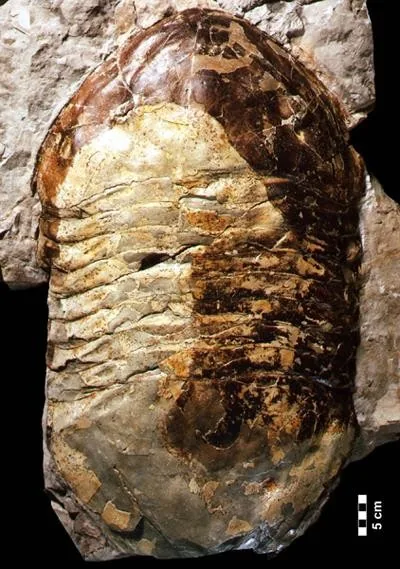
Isotelus rex
Order Asaphida / Superfamily Asaphoidea / Family Asaphidae
Katian (Late Ordovician)Canada
Classification
Order Asaphida / Superfamily Asaphoidea / Family Asaphidae
Genus
Isotelus Dekay, 1824
Genus author
Dekay J. E.
Genus etymology
iso-, Greek, equal; tel-, Greek, far, end
Species
I. rex Rudkin, Young, Elias & Dobrzanski, 2003
Species author
Rudkin D. M., Young G. A., Elias R. J., Dobrzanski E.
Species etymology
rex, Latin, king, describing its enormous size
Age
Katian (Late Ordovician)
Distribution
Canada
Diagnosis
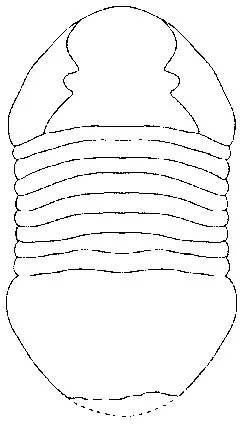
Dorsal shield long-ovate, cephalon and pygidium nearly subequal. Cephalon rounded-triangular, gently convex; cranidium wide; glabella indistinct; eyes small; librigenae without genal spines. Thorax of 8 segments, each as long as wide; pleural spines absent. Pygidium subtriangular; axis indistinct.
Remarks
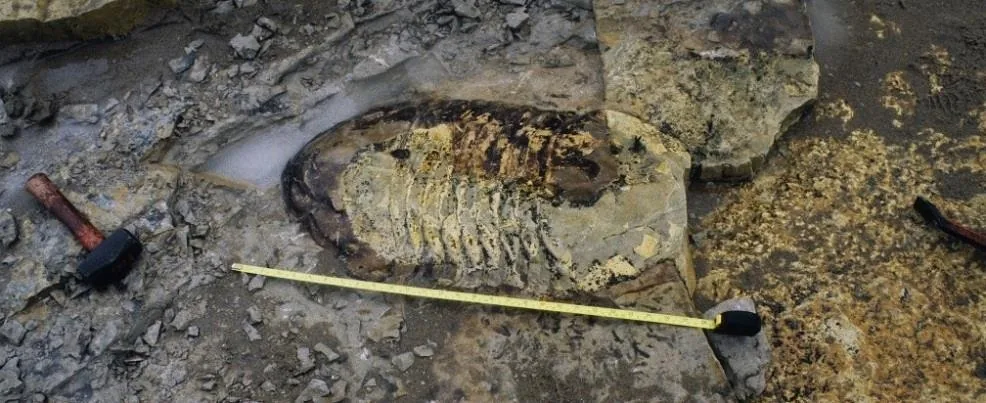
The holotype of Isotelus rex is the largest complete dorsal exoskeleton specimen in the world, 68.3 cm long, 40 cm wide and 7 cm high; with a natural 4 cm deficiency of the pygidium, the restored body length is 72 cm